Live in 8–12 weeks, on the ERP you already run.
Book a demoNot sure where MRO360 fits? See what your own plants hold, from one ERP extract.
Get a free diagnosticFive mines, five SAP instances, one view of every spare.
Your dead stock, duplicates and transfer options, from one ERP extract.
Get a free diagnosticMRO360's AI agents score every spare part, research every discontinued one, find the stock your other plants already hold and get every work order ready. It works alongside the ERP you already run: your planners approve each change before it is written back.
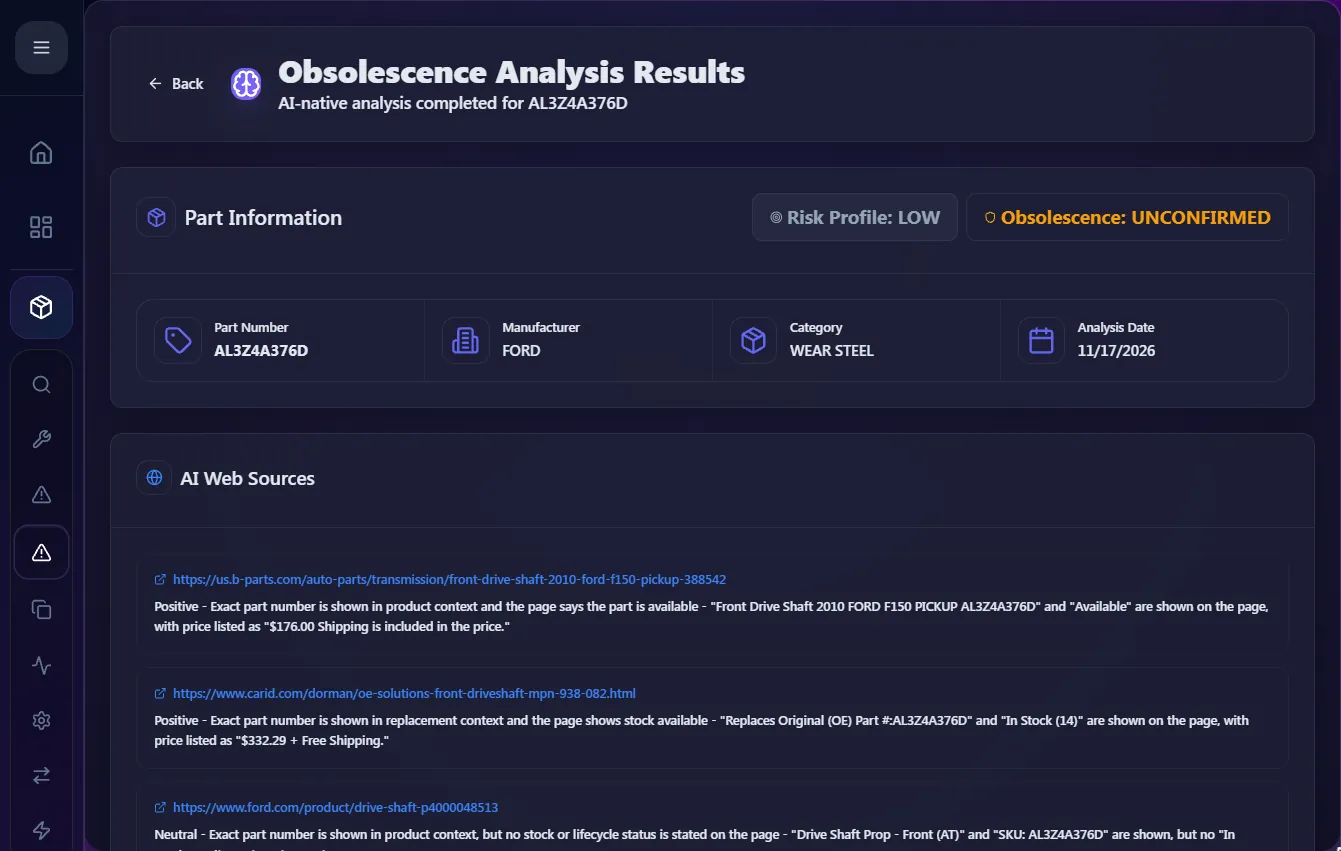
Pump seal kit XR-200 discontinued by the maker
Successor XR-210 confirmed from the OEM notice. Three suppliers quote it.
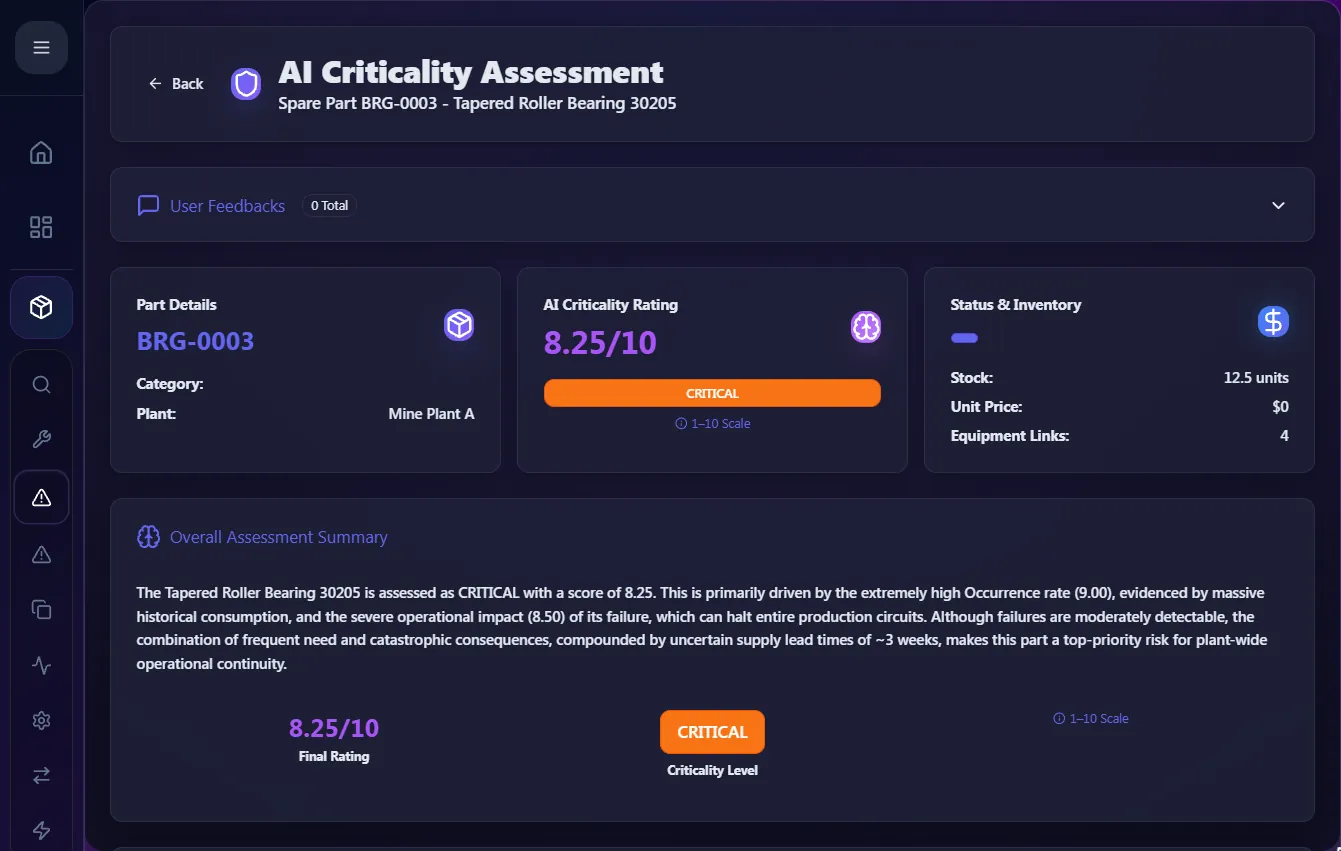
Successor linked in ERPCrusher drive bearing scored 8.25 of 10
Protects the primary crusher. No alternate on site and a 16-week lead time.
Accepted by reliabilityMove 6 × BRG-0003 from Plant C to Plant A
Plant A is short for a work order due Friday. Plant C holds 9 with no demand. $16.2K cheaper than a new PO.
Approved, transfer order createdEnabling excellence in Industrial Maintenance Operations with industry-trained, AI-native software solutions purpose-built for Spare Parts Management & Enterprise Asset Management.
Built for the teams who keep plants running

Reorder points are set at ERP go-live and left alone while equipment, suppliers and demand change around them. So two problems grow side by side: capital tied up in parts that never move, and gaps in the ones that matter.
Ranges from MRO360 deployments and published industry benchmarks.
MRO360 reads the material master, movements, work orders and purchase history you already have. Every row comes back with a verdict, a reason and a value.
Each module does one job. Because they read the same data, a new criticality score moves a reorder point, and surplus at one plant cancels a purchase at another.
Search every plant in plain language, with duplicates and equivalents surfaced.
AI rates every asset on failure impact, with a written reason for each score.
Every SKU scored from the equipment it protects, so safety stock follows risk.
Moves surplus from one plant to another's shortfall before anyone buys new.
Finds discontinued parts early and lines up the OEM successor or alternates.
Flags work orders short of parts and tracks the fix from request to delivery.
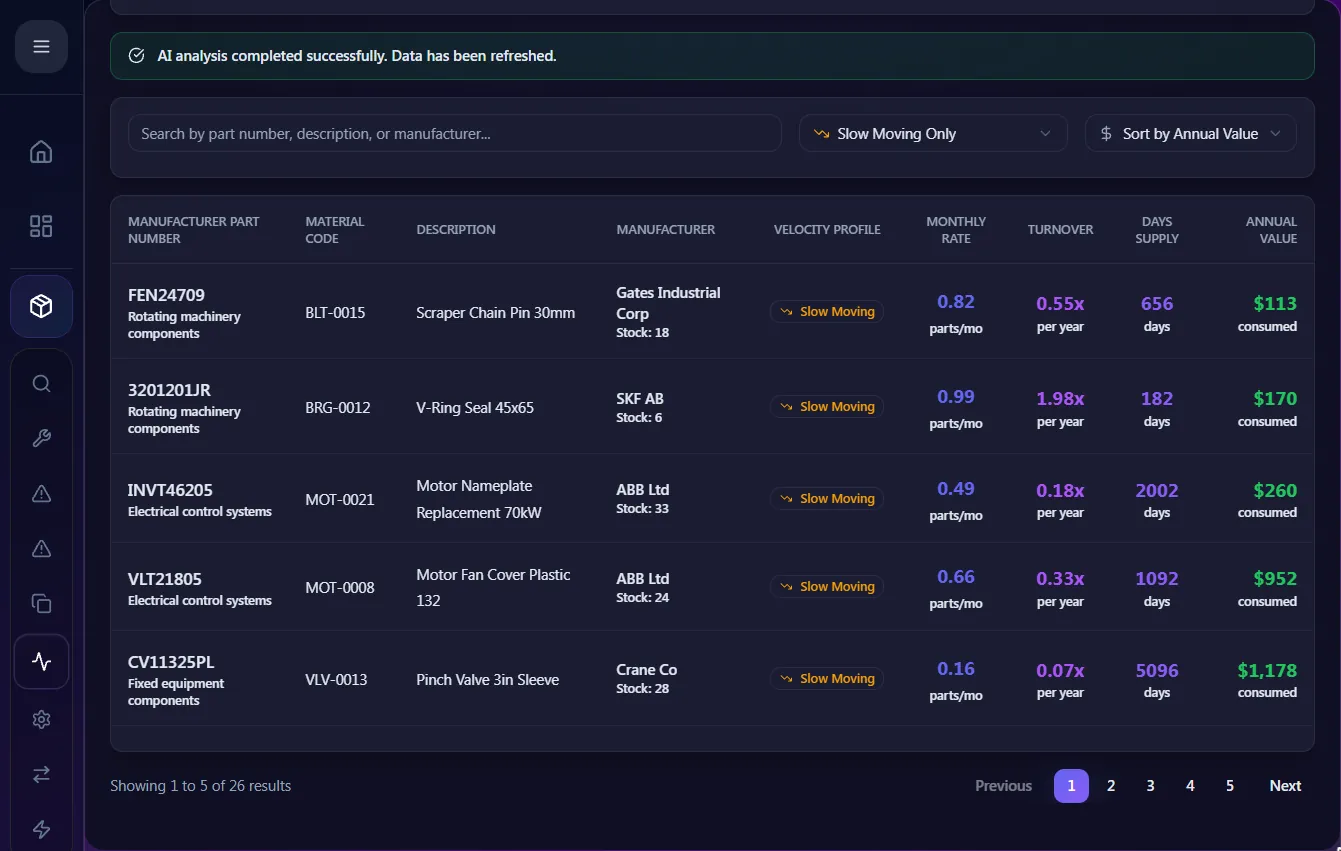
Classifies every SKU as fast, slow or non-moving and puts a dollar value on it.
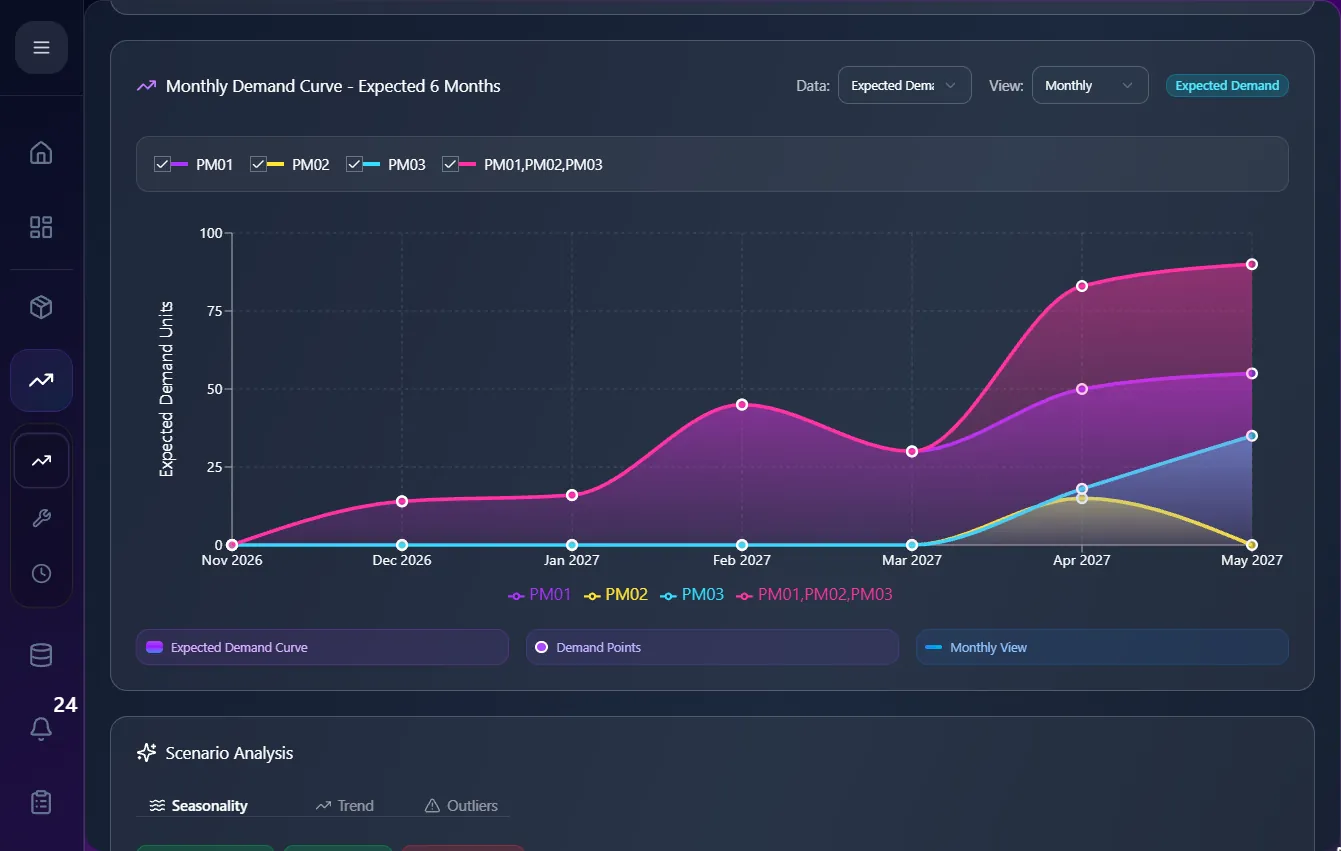
Forecasts by maintenance order type, with turnarounds and seasonality built in.
Min, max and safety stock recalculated continuously, with autonomous ordering under limits you set.
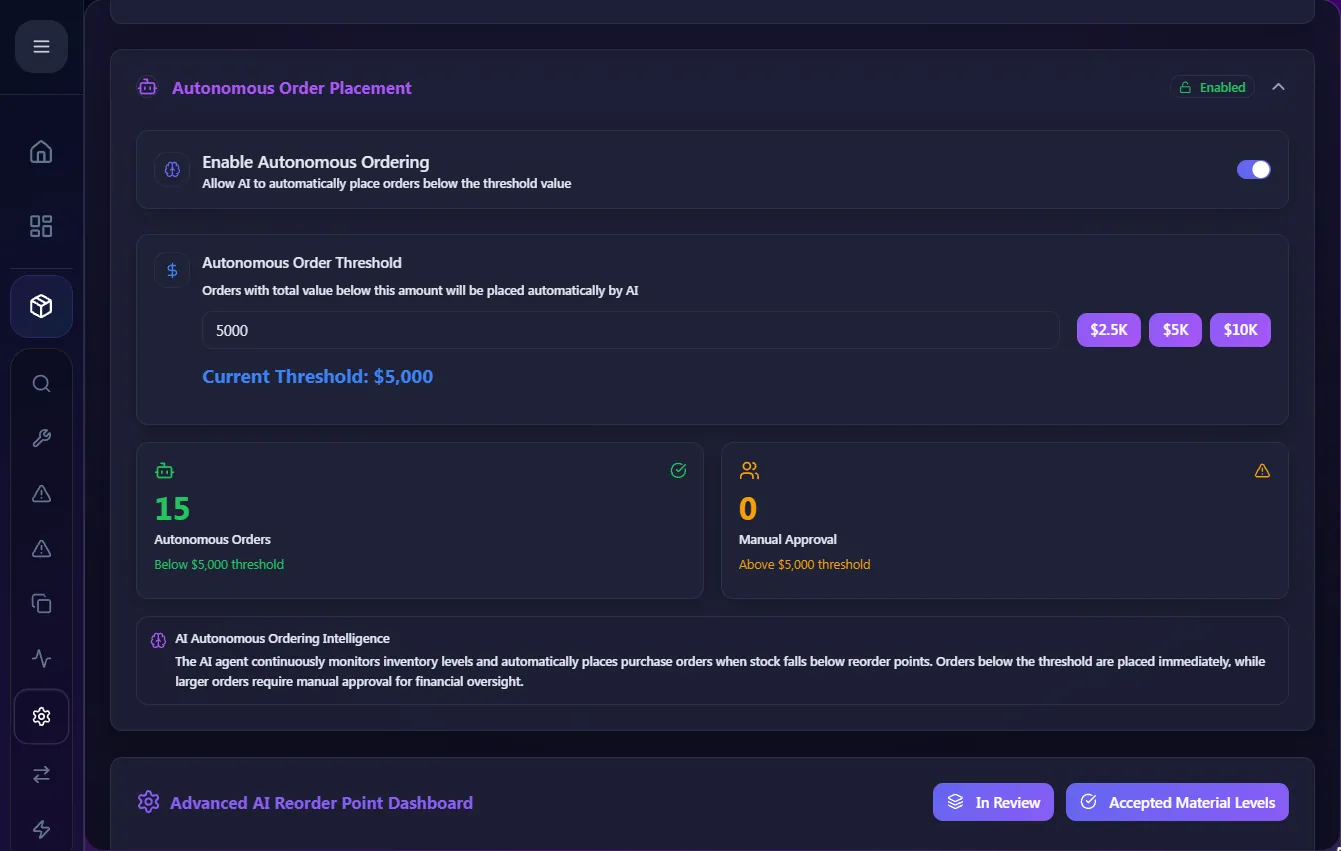
No mock-ups. These are MRO360 screens running on a demo mining network.


MRO360 never edits your ERP on its own judgement. It shows its working, a named person approves, and only then is the change written back.
Material master, movements, work orders, POs and the asset register from each ERP or EAM.
Every proposal shows the data, the drivers and the dollar effect behind it.
Approve, edit or reject. Each decision is logged with who made it and why.
Approved values land in the fields your team already uses. Nothing runs in parallel.
Set a dollar limit per plant or material group. Below it, routine reorders go through on their own. Above it, everything waits for a person, and you can switch it off at any time.

“We did not have an inventory problem; we had a visibility and connection problem. The parts that caused our emergency events were almost always somewhere in our network.”
The same nine modules, tuned to how each industry plans shutdowns, certifies parts and prices an hour of downtime.
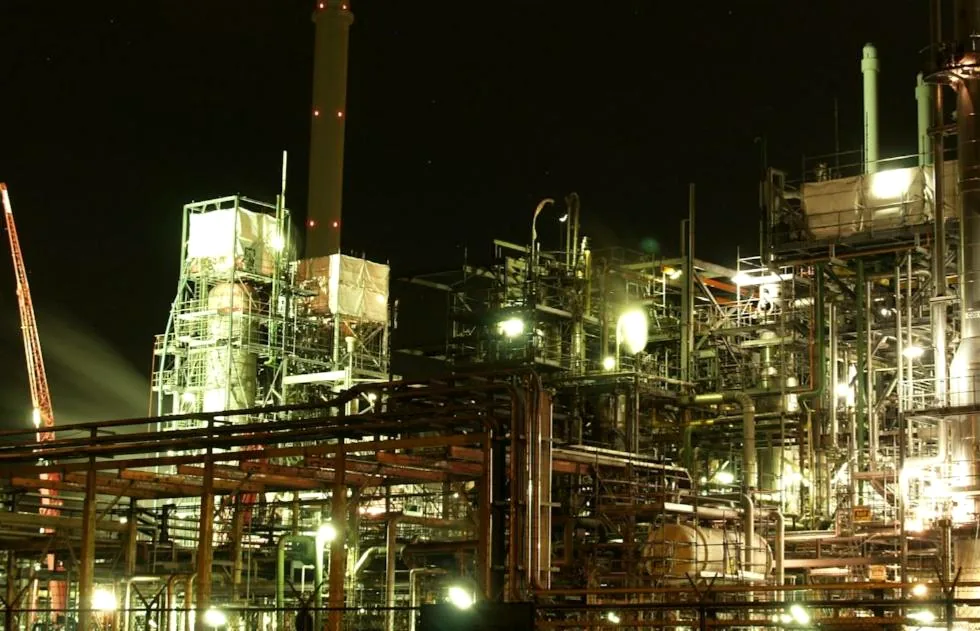
Unplanned refinery downtime runs above $500K an hourTurnaround demand forecast separately, criticality kept current, and surplus at one refinery offered to another before an emergency PO.
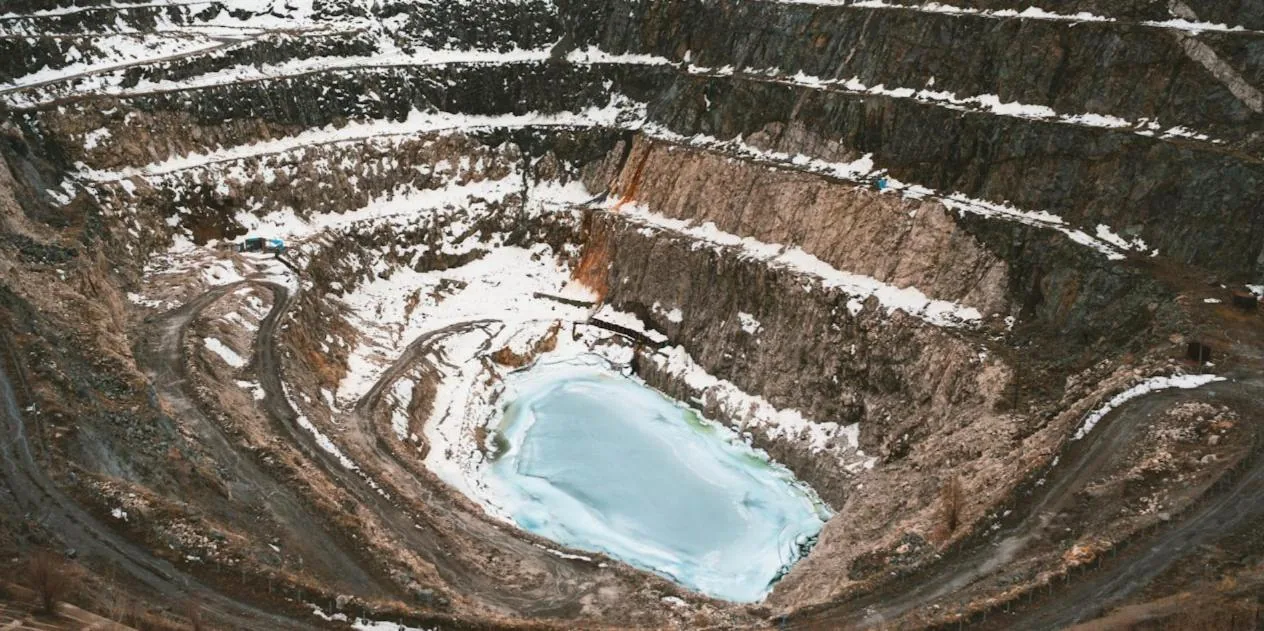
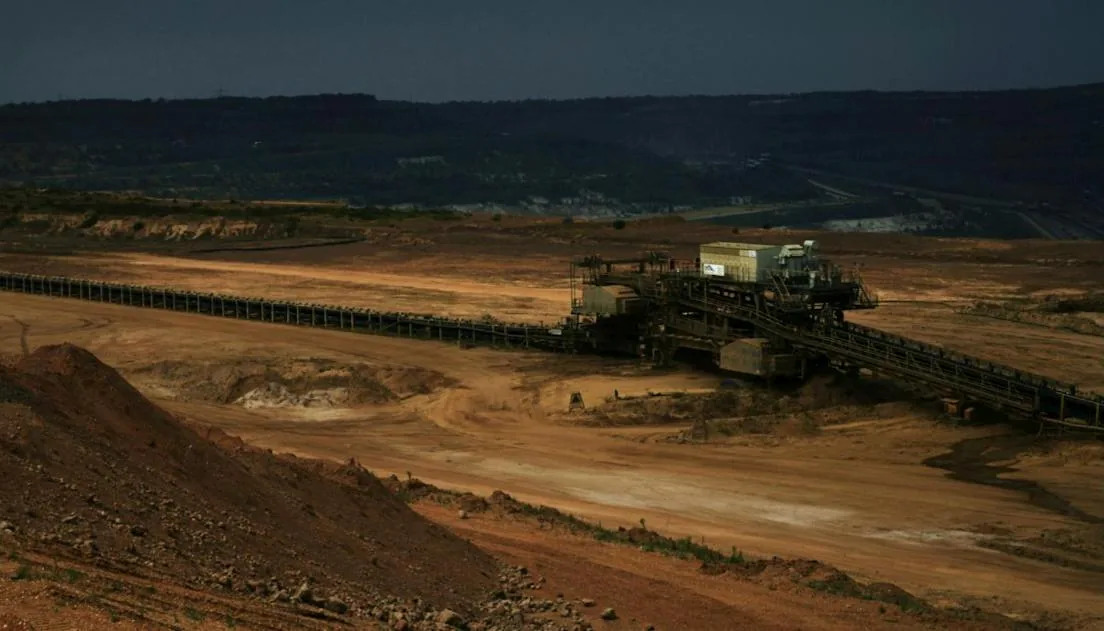
A stopped SAG mill costs $600K–$1.5M a dayOne view of every spare across remote sites, with criticality and reorder points on one standard.
Each turnaround overrun day costs $500K–$2MCertified substitutes, turnaround gaps found weeks out, and one criticality framework across business lines.
One utility's stores grew ~50% in three yearsOpen POs reviewed against network stock first, then safety stock re-derived with storm spares protected.
42% of one maker's stock unmoved for 24 monthsDead stock sized from your own extract, campaign peaks forecast months ahead, food-grade substitutes only.
Send a standard material master and movements extract. Within days you get your excess, duplicates, discontinued parts and transfer opportunities, each valued in dollars.
An MRO specialist will set up a secure upload and walk you through the findings.
A short call with an MRO specialist. We'll also email a secure link for your extract.
Straight answers to what supply chain, maintenance and IT teams ask first.
No. MRO360 runs above SAP S/4HANA, SAP ECC, Oracle, Microsoft Dynamics, IBM Maximo, Infor EAM, SAP PM and Hexagon APM. It reads your data and writes approved values back to the fields your planners already use.
No. Every change is accepted by a named person and signed off by an approver before it is written back. The one exception is autonomous ordering, which you switch on, cap with a value threshold, and can switch off at any time.
Material master, goods movements, work orders, notifications, purchase orders and lead times, the asset register, and vendor and goods-receipt history.
Verdantis is ISO 27001 and SOC 2 certified. MRO360 uses SSO with multi-factor authentication, works on enterprise operational data only, and was assessed Low Risk under NIST trustworthy-AI principles.
Start with the free diagnostic on your own extract. If the numbers hold, run a time-boxed pilot on a subset of plants with success criteria agreed up front and a decision gate before any wider rollout.
Oil and Gas organizations face huge unwanted costs in the form of losses, penalties and compensation due to industrial accidents, taking a sizable chunk of their revenues. One of the important reasons for failures and accidents is the breakdown of key industrial infrastructure arising from ineffective management of the material base and inefficiencies in the MRO supply chain that are highly critical for the production and maintenance cycles.
More and more organizations are now looking to establish Master Data Management (MDM) implementations in order to manage their assets through informed decision-making based on reliable data and ensure optimal industrial safety across the enterprise.
About the company:
This US based company is a global leader in providing essential mechanical components for both land and offshore drilling rigs, complete drilling and well servicing rigs, as well as a comprehensive range of tubular inspection, internal coatings, drill string equipment, lifting and handling gear, and downhole drilling tools. It also offers supply chain services through distribution centers strategically located near major drilling and production sites worldwide. With over 800 manufacturing, sales, and service centers globally and annual revenues exceeding $12 billion, the company delivers customer-focused solutions tailored to meet the energy industry’s quality, productivity, and environmental needs.
The company faced significant challenges with their master data.
• Lack of consistency and standards for the master data
• Incorrect, incomplete, unclassified and outdated attribute fields of master
data High volumes of data in multiple languages
• Multiple ERP and other legacy instances across the company
• Poorly structured material descriptions
• Lack of data governance and collaboration across cross-functional divisions and locations
Solution: Material Master Data Harmonization & Ongoing Maintenance
The company implemented Verdantis Material Harmonize to cleanse and enrich its historical material master data. Using AI-powered tools and the Verdantis Content Repository, the solution classified, standardized, and eliminated duplicate materials.
Once the data was harmonized, Verdantis Material Integrity was deployed for ongoing data governance. It ensured continuous data accuracy through real-time validation, AI-driven classification, and duplication prevention, maintaining high data quality across enterprise systems.
Key Actions Taken:
Results Achieved:
By integrating Material Harmonize & Material Integrity, the company achieved a scalable, AI-powered Master Data Management framework, ensuring long-term data consistency, efficiency, and compliance.